Quick answer
Pharmacy profit margins for independents depend on reimbursement, cost of goods, inventory, and the revenue mix beyond PBM claims. Owners can improve margins by buying through a group, cutting dead stock, and adding cash-pay and clinical services. Tracking Rx and front-end gross margin separately each month shows exactly where profit is leaking.
Pharmacy profit margins rarely collapse in one bad month. They erode a few cents per claim, through reimbursement cuts, fee clawbacks, and costs that creep up quietly, until a busy store looks thin on the P&L. That's why many owners look at joining a member-owned buying cooperative before they look at cutting staff.
The pressure is shared. According to NCPA, there are roughly 19,000 independent community pharmacies in the United States, making up about one-third (roughly 33%) of all retail pharmacy locations. Nearly all of them face the same reimbursement squeeze. But your margin isn't a fixed number. It's the sum of what you buy, what you stock, what you charge cash for, and which services you bill.
This guide shows where the money goes, the levers that can win it back, and a monthly check you can run on your own numbers.
Lower cost of goods starts with buying power
WSPC members pool their purchasing with other independents, pay no membership fees, and keep the rebates they earn.
Become a Member →A healthy margin covers payroll, rent, and debt service while leaving room to reinvest in the store. For independents, that means tracking prescription and front-end gross margin separately, because they behave very differently. Net margin, after operating expenses, tells you whether the business is truly profitable.
Owners often quote one blended number. That's a problem. Prescriptions usually make up most of your sales, yet they carry thinner and less predictable margin than the front of the store. So a strong front end can hide a slow slide on the pharmacy side for months.
What counts as "good"? NCPA publishes annual benchmarks in its Digest, and comparing your numbers with that year's report beats any rule of thumb. Picture a store filling 250 prescriptions a day with a busy gift and OTC section. Its blended margin can look fine while Rx margin slips each quarter. Separate numbers catch that early.
Most lost margin goes to four places: reimbursement set below what you paid for the drug, pharmacy price concessions such as DIR fees, cost of goods, and labor. The first two are largely outside your control. The last two are where owners have the most room to act.

The Federal Trade Commission has opened inquiries into the largest PBMs, and policy may shift. Don't wait for it. Reconcile remittances against acquisition cost every month, flag claims paid below cost, and file MAC appeals when the contract allows them.
Better purchasing lowers cost of goods by putting your generic spend, brand spend, and secondary sourcing under contracts negotiated with group volume. Because generics drive most of your fills, small per-unit savings on them compound across every week of dispensing into real margin.
The scale is hard to overstate. According to the FDA, generic drugs account for roughly 9 out of 10 prescriptions (about 90%) dispensed in the United States. NCPA also points to group purchasing and a competitive generic program as among the most direct levers an independent has to lower cost of goods.
A group purchasing organization (GPO) or buying group negotiates wholesaler terms for many stores at once. The number to watch is your generic effective rate (GER), the average discount you actually receive on generics. Two contracts with the same headline discount can produce very different GERs once compliance terms and product mix are counted. It's also worth reviewing the supplier and partner programs a buying group gives you access to, beyond the primary wholesaler.
WSPC members buy through its Cencora wholesale partnership and operate as Good Neighbor Pharmacy stores. The goal is simple: better pricing than one store could negotiate alone, with savings and monthly rebates that stay with the member. Results depend on your volume and mix, so ask for a review of your own invoices.
See what group buying could mean for your margins
Send us a recent month of wholesaler invoices and we will walk through where your cost of goods stands.
Become a Member →Yes, because every dollar sitting on your shelves is cash you can't use anywhere else. Slow-moving stock, expired product, and over-ordering quietly drain pharmacy profit margins even when your purchase prices are competitive. Tighter ordering and regular returns turn that idle stock back into working capital.
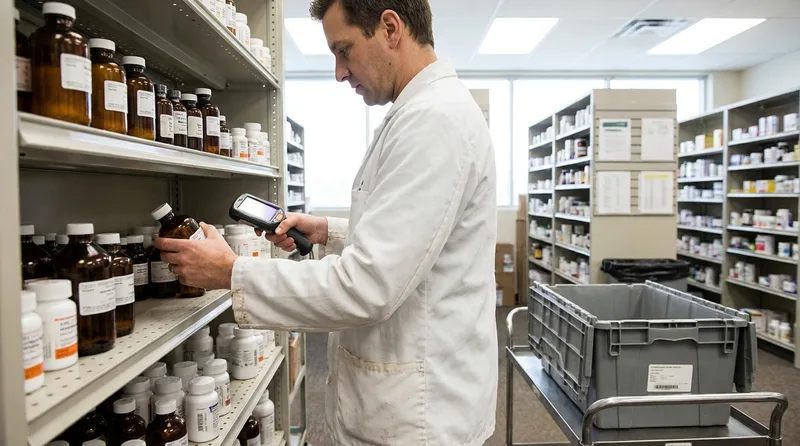
Inventory problems hide well. The shelves look full, fills go out on time, and nobody notices that a bottle of a rarely used brand has sat untouched for eight months. Multiply that across a few hundred items and the cash tied up gets serious.
| Metric | What it tells you | Warning sign |
|---|---|---|
| Inventory turns | How fast stock sells and is replaced | Turns falling quarter over quarter |
| Dead stock | Items with no dispensing for 90+ days | A growing list, especially brands |
| Expired product | Cash lost to dates you missed | Write-offs at every quarterly count |
| Special orders | Product bought for one patient | Partial bottles left after one fill |
Often, yes. Cash-pay prescriptions and front-store products aren't subject to PBM reimbursement terms, so you set the price and keep the margin. The tradeoff is that pricing, merchandising, and staff time need real management, or these lines cost more than they return.
Cash pay works best for patients with high deductibles, no coverage, or drugs their plan excludes. A clear, published cash price list builds trust, and transparent pricing is a selling point chains struggle to match. But keep an eye on your contracts. Some PBM agreements restrict how you price cash claims for their members.
The front end is a different game. These products can carry stronger margins than many claims, yet they only pay off if they turn. Focus on categories that fit your patients:
Start small. Track margin per square foot for each section, and replace anything that doesn't earn its space within two quarters.
Yes, clinical services can add revenue that doesn't depend on product margin at all. Immunizations, medication therapy management, and point-of-care testing bill for your pharmacist's time and expertise. Networks such as CPESN also connect community pharmacies to value-based payer programs that reward outcomes, not dispensing volume.
That shift matters for independent pharmacy profit margins. A vaccine clinic or a medication therapy management (MTM) consult earns a fee that a PBM's MAC list can't touch. The Community Pharmacy Enhanced Services Network (CPESN) groups local pharmacies into clinically integrated networks, so payers can contract with many stores at once.
Payer coverage and state rules vary widely. Pick one service, staff it properly, and track revenue per pharmacist hour before adding a second.
Want a second set of eyes on your numbers?
Talk with our team about purchasing, reimbursement support, and clinical programs for independent pharmacies.
Call 844-977-2498 →Adherence programs protect margin by keeping refills steady and supporting the quality measures some payers use to rate pharmacy performance. Medication synchronization also smooths workload and ordering, because you know which fills are coming and when, so there are fewer rushed orders and less excess stock.
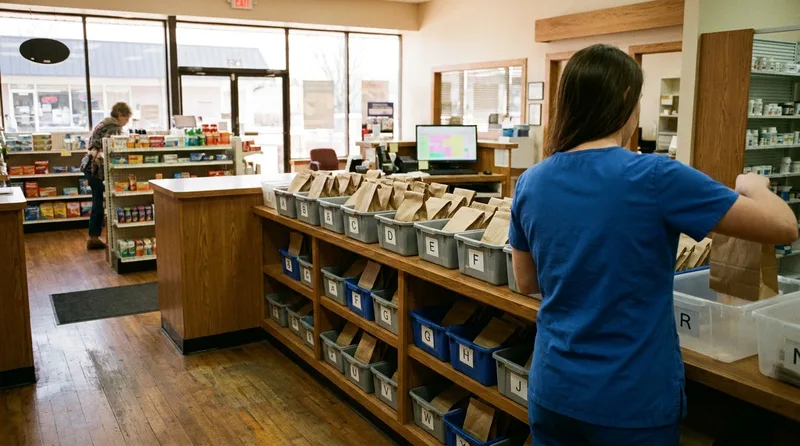
The cost of skipped doses is large. Research published in the Annals of Internal Medicine estimates that medication nonadherence costs the U.S. health care system hundreds of billions of dollars a year. For your store, a missed refill is simply a lost fill. Across a few hundred chronic patients, those gaps add up to thousands of missed claims a year.
The APhA Foundation has linked appointment-based models and med sync to improved adherence. Medicare Part D star ratings also include adherence measures for diabetes, blood pressure, and cholesterol medications, and some payer performance programs follow them closely. A well-run sync program supports both your patients and your contract position. Our earlier article on medication synchronization programs covers enrollment and workflow in detail.
Start with patients on three or more chronic medications. They gain the most from a single monthly pickup, and they're the ones your adherence scores depend on.
Start with five numbers you can pull from your pharmacy management system and wholesaler reports: Rx gross margin, front-end gross margin, generic effective rate, inventory turns, and below-cost claims. Track them monthly, compare them with last quarter, and dig into any number that moves unexpectedly.
Keep the results on one page. When a number moves, ask why before you act. A falling Rx margin might mean a payer change, a MAC lag, or a purchasing problem, and each needs a different fix.
Who should own this? In most stores, the owner or pharmacist-in-charge reviews it with whoever handles purchasing. Thirty minutes a month is enough. If you're part of a buying group, ask whether they offer business analytics, since many will build this report for you from data they already have. Our member resources library also covers reimbursement, compliance, and operations topics.
Pull the lever you control most directly: purchasing. Cost of goods touches every single fill, so improving it lifts pharmacy profit margins across your whole book of business, while services and front-end changes take longer to build. Then add one new revenue line at a time.
Independent pharmacies are stronger together. Pool your buying power, measure the five numbers above every month, and you'll know exactly where your margin stands.
Your next step is concrete. Pull last month's wholesaler statement and calculate your actual generic effective rate. If you don't know how it compares with what a group contract could offer, that's the first question worth answering this week.
This article is general educational information for independent pharmacy owners and operators and is not legal, financial, tax, or regulatory advice. Verify current requirements and consult qualified professionals before acting. WSPC provides resources and advocacy for independent community pharmacies.
Protect your margins with the buying power of a cooperative
Join independent owners who share purchasing power, monthly rebates, and business analytics, with no membership fees.
Become a Member →Prefer to talk it through with a person first?
Call 844-977-2498 →Sources
Written by
WSPC
Independent Pharmacy Cooperative · WSPC
WSPC is a member-owned cooperative that helps independent community pharmacies lower their cost of goods, grow revenue, and stay competitive through group purchasing, business analytics, clinical programs, and advocacy.
Was this article helpful?
A good margin is one that covers all operating costs and leaves room to reinvest. Rather than relying on a rule of thumb, compare your Rx and front-end gross margins with NCPA Digest benchmarks for the same year, since industry averages shift as reimbursement changes.
Pharmacy profit margins are shrinking mainly because PBM reimbursement often lags drug acquisition costs, while price concessions such as DIR fees reduce net payment per claim. Rising labor and operating costs add to the squeeze, especially for single-store owners without group buying power.
Yes. Since January 2024, Medicare Part D pharmacy price concessions apply at the point of sale instead of months later. That improves visibility and cash flow planning, but the concessions still reduce what you are paid on each affected claim.
It depends on your volume, product mix, and compliance with the group contract. A buying group can secure better wholesaler pricing and rebates than one store negotiates alone, so the most reliable answer comes from comparing your current invoices against the group terms.
A generic effective rate (GER) is the average discount you actually receive on generic purchases, measured against a benchmark price. It matters more than a contract headline rate, because compliance requirements and your specific generic mix determine what you really pay.
Review your core margin numbers monthly and compare them quarterly. Monthly checks catch below-cost claims and purchasing problems before they compound, while quarterly comparisons show trends such as a slow decline in Rx gross margin or falling inventory turns.

DIR fees explained in plain language: what they are, where they came from, and how the 2024 rule change affected independent pharmacy reimbursement.
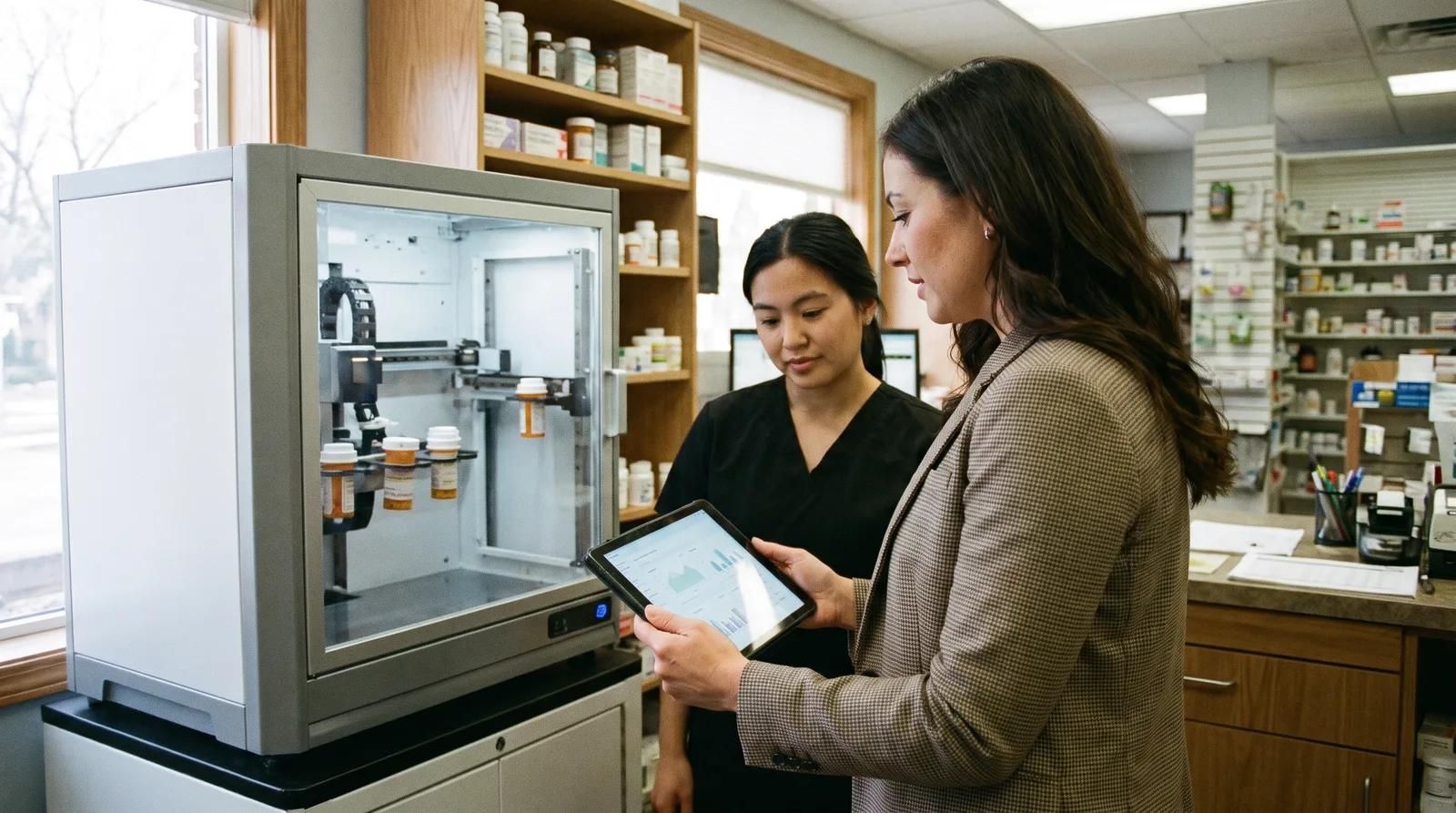
Is pharmacy automation worth it for an independent store? Compare vial fillers, robots, and adherence packaging, and learn how to judge payback.

Medication synchronization pharmacy programs improve adherence and revenue by aligning refills to one monthly visit, backed by NCPA-documented results.
WSPC gives you the buying power, the contracts, and the people to protect it.