Quick answer
A pharmacy GPO explained simply: it pools the purchasing volume of many independent pharmacies to negotiate better wholesale pricing, rebates, and contract terms. Members typically pay a modest fee or none at all. Many pharmacies join more than one GPO to cover different purchasing needs.
Pharmacy GPO explained simply: it is how a small independent pharmacy gets to negotiate like a large chain. A group purchasing organization pools the buying power of many independent pharmacies so wholesalers and manufacturers treat the group's combined volume the way they would treat one large customer, not hundreds of small ones scattered across the country.
WSPC fields regular questions from members about how GPOs actually work and what to look for when evaluating one. This guide breaks down the mechanics, the current landscape, and what to check before joining. The difference between a good GPO fit and a poor one can meaningfully affect your cost of goods for years.
A pharmacy GPO is an organization that combines the purchasing volume of independent pharmacies. It negotiates discounts with wholesalers, manufacturers, and other vendors on their collective behalf, something no single small pharmacy could realistically achieve alone.
Drug Topics has described the basic mechanic simply: a GPO allows independent pharmacies to buy goods and services at better prices than are usually available to them individually. It leverages combined buying power the same way a large chain leverages its own scale. Because of these economies of scale, the small independent pharmacy effectively gets to act like a much bigger operation at the negotiating table, without giving up its independent ownership or local identity in the process.
According to NCPA, there are roughly 19,000 independent community pharmacies in the United States, representing about one-third of all U.S. retail pharmacy locations. A GPO's leverage comes directly from aggregating a meaningful share of that collective volume into one negotiating voice.
The concept mirrors what a chain pharmacy already does internally across its own stores, just organized as a voluntary cooperative of independently owned businesses instead of a single corporate structure. That distinction matters: members remain independent owners, they simply pool the one thing wholesalers actually respond to, purchase volume.
Group purchasing power is exactly what WSPC provides
WSPC members get access to collective bargaining and buying power built for independent pharmacies like yours.
Explore Member Resources →The pharmacy GPO landscape is substantial and organized. A dedicated trade body represents many of the largest independent pharmacy purchasing groups operating in the United States today, alongside numerous smaller independent organizations.
Drug Topics reports that the Federation of Pharmacy Networks, a cooperative of independent pharmacy GPOs, includes 21 member organizations and provides services to the vast majority of independent and small chain pharmacies nationwide. Beyond FPN members, additional GPOs of varying sizes operate independently and serve similar functions, giving pharmacies a genuinely broad field of options to evaluate. Generic drugs account for roughly 9 out of 10 prescriptions dispensed in the U.S., according to the FDA, which is exactly why GPO-negotiated generic pricing matters so much to an independent's overall cost of goods.
21
Member GPOs in the Federation of Pharmacy Networks
~19,000
Independent community pharmacies nationwide
9 of 10
Prescriptions dispensed in the U.S. that are generic
Source: Drug Topics, NCPA, FDA
| Structure | What It Means |
|---|---|
| Federation of Pharmacy Networks member | Part of a coordinated, 21-organization cooperative |
| Independent, non-FPN GPO | Serves similar functions outside the FPN structure |
This range of options is generally good news for an independent owner. It means there is rarely a single "correct" GPO for every pharmacy; the right choice depends on your specific purchasing patterns, wholesaler relationships, and the additional services a given group offers beyond pure pricing.
No, GPOs no longer compete on price alone. Industry leadership describes an increasing focus on data, market research, and utilization analysis that helps member pharmacies save money through better efficiency, not just a lower sticker price.
Todd Ebert, a GPO industry leader, explained to Drug Topics that while price remains central, GPOs increasingly add services like data collection and analysis to inform members which products and services offer the best overall value. PBA Health has noted that a strong GPO relationship, combined with optimized purchasing, can improve a pharmacy's profit margins by 2% to 6%. That modest-sounding figure adds up to a meaningful dollar amount across a full year of purchasing volume.
This shift also reflects genuine competitive pressure among GPOs themselves. As more organizations enter the space, differentiating purely on price becomes harder, pushing established groups to build out the analytics and advisory services that actually help a member pharmacy run better, not just buy cheaper.
Yes, many independent pharmacies maintain memberships with multiple GPOs, since each organization tends to differentiate around a specific set of benefits. A pharmacy may genuinely need different strengths for different parts of its purchasing strategy.
Because independent pharmacies vary so much in size and specialty focus, no single GPO covers every need equally well. A pharmacy might use one GPO primarily for its wholesale pricing relationship and a second for stronger generics or specialty drug rebates.
Some GPOs include exclusivity clauses or minimum-purchase requirements that limit how much dual membership actually helps. This is worth confirming directly before assuming you can freely combine multiple memberships without any friction between them. Read the fine print on exclusivity before signing anything, since violating an existing agreement to join a second GPO can sometimes cost you benefits in the first one.
Ask each GPO directly whether dual membership is permitted and under what conditions. A quick phone call before signing anything is far cheaper than untangling a conflict between two agreements after the fact.
A pharmacy can realistically expect meaningful, though variable, savings from GPO membership, typically improving overall profit margins by a few percentage points once better cost of inventory and optimized purchasing are both accounted for.
Industry sources describe potential margin improvements in the low single digits to mid single digits once a GPO's full pricing and rebate structure is applied. That sounds modest as a percentage, but it can represent a genuinely significant dollar figure annually for an average independent pharmacy's purchasing volume. The exact number depends heavily on your current purchasing habits, wholesaler relationship, and how well the specific GPO's contract terms fit your pharmacy. Treat any advertised savings figure as a starting estimate rather than a guarantee.
| Margin Improvement | What Typically Drives It |
|---|---|
| Low end (~2%) | Baseline wholesale pricing improvement alone |
| Mid-range (3%-4%) | Pricing plus consistent rebate capture |
| High end (~6%) | Full pricing and rebate structure applied with optimized purchasing habits |
Actual results vary by purchasing habits and contract terms. Source: PBA Health.
Ask a prospective GPO for references from pharmacies similar in size and specialty mix to your own, since their actual results will tell you more than a generic marketing range ever could.
A pharmacy should carefully review the specific contract terms of any GPO it is considering, including minimum purchase requirements, limits on secondary supplier purchases, and which items are excluded from negotiated discounts.
Wholesaler primary vendor agreements underlying most GPO relationships are genuinely complex, and the details vary meaningfully between organizations. A headline discount percentage means little if a minimum purchase requirement forces you to buy more inventory than you actually need, or if key product categories are carved out of the discount entirely. Ask a prospective GPO directly for a full breakdown of these terms before signing, not just the marketing summary of expected savings.
Before You Join a GPO, Confirm:
Check each item you've reviewed in the contract.
Your score: count your checks out of 5
No, a GPO is not the same as a PSAO, even though independent pharmacies often deal with both. A GPO focuses on wholesale purchasing and vendor contracts, while a Pharmacy Services Administrative Organization focuses on negotiating PBM contracts and managing third-party reimbursement.
These two organizations solve genuinely different problems, and many independent pharmacies work with both at the same time without any conflict. A GPO lowers what you pay wholesalers for inventory. A PSAO helps manage what you get paid by PBMs for dispensing that same inventory.
Confusing the two, or assuming one membership covers both functions, is a common mistake for owners newer to these industry structures. It is worth being clear on which organization actually handles which side of your business before signing up for either one.
A quick way to keep them straight: think of the GPO as handling what goes out the door to buy inventory, and the PSAO as handling what comes back in from payers after you dispense it.
Yes, joining a GPO can meaningfully change wholesaler behavior. Wholesalers now compete more aggressively to win and retain the business of large GPOs and their member pharmacies as these groups have grown in scale.
Drug Channels analyst Adam Fein has observed that pharmacy owners responding to profit pressure by collaborating through GPOs has altered and accelerated wholesaler competition for independent pharmacy business. When a buying group switches its primary wholesaler, the non-selected wholesalers work hard to retain as much of that business as possible. This dynamic explains why an individual pharmacy's negotiating position improves so much once it joins a GPO large enough to matter to a wholesaler's own numbers. A wholesaler that ignores GPO business risks losing a meaningful slice of its book overnight.
Buying power built for independent pharmacies
WSPC members get shared training, group purchasing power, and a network of independent owners solving these same challenges.
About WSPC →A pharmacy GPO, explained simply, is a way for a small independent to negotiate from a position of collective strength instead of going it alone against wholesalers and manufacturers built to deal with much larger customers. Evaluate a prospective GPO on its actual contract terms and added services, not just the headline discount. Do not be afraid to combine memberships if your pharmacy's specific purchasing needs genuinely call for it. The right combination of GPO and PSAO relationships, chosen deliberately rather than by default, can meaningfully improve both your cost of goods and your reimbursement position over time.
This article is general educational information for independent pharmacy owners and operators and is not legal, financial, tax, or regulatory advice. Verify current requirements and consult qualified professionals before acting. WSPC provides resources and advocacy for independent community pharmacies.
Ready for group purchasing power built for independents?
WSPC members get group purchasing power, shared training resources, and an active advocacy voice for independent pharmacy.
Become a Member →Have questions about your pharmacy's purchasing strategy?
Contact WSPC →Sources
Written by
WSPC
Independent Pharmacy Cooperative · WSPC
WSPC is a member-owned cooperative that helps independent community pharmacies lower their cost of goods, grow revenue, and stay competitive through group purchasing, business analytics, clinical programs, and advocacy.
Was this article helpful?
A pharmacy GPO combines the purchasing volume of many member pharmacies and negotiates wholesale pricing, rebates, and contract terms with wholesalers and manufacturers on their behalf, terms no single independent pharmacy could realistically negotiate alone.
Membership costs vary by organization; some GPOs charge no fee at all, while others charge a modest monthly or annual fee, and dues are typically far outweighed by the wholesale savings a good GPO provides.
Yes. Many independent pharmacies maintain memberships with multiple GPOs to access different contract strengths, one for general wholesale pricing and another for specialty drugs or generics, though some GPOs include exclusivity clauses worth checking.
The Federation of Pharmacy Networks is a cooperative of independent pharmacy GPOs with 21 member organizations, providing a forum where group leaders exchange ideas to promote and advance the future of independent pharmacy.
No, not anymore. According to industry leadership, GPOs increasingly compete on data, market research, and utilization analysis that help member pharmacies save money on efficiency, not just the negotiated purchase price alone.
Review the specific contract terms carefully, including minimum purchase requirements, limits on purchasing from secondary suppliers, and which items are excluded from negotiated discounts, since these details vary significantly between GPOs.

DIR fees explained in plain language: what they are, where they came from, and how the 2024 rule change affected independent pharmacy reimbursement.
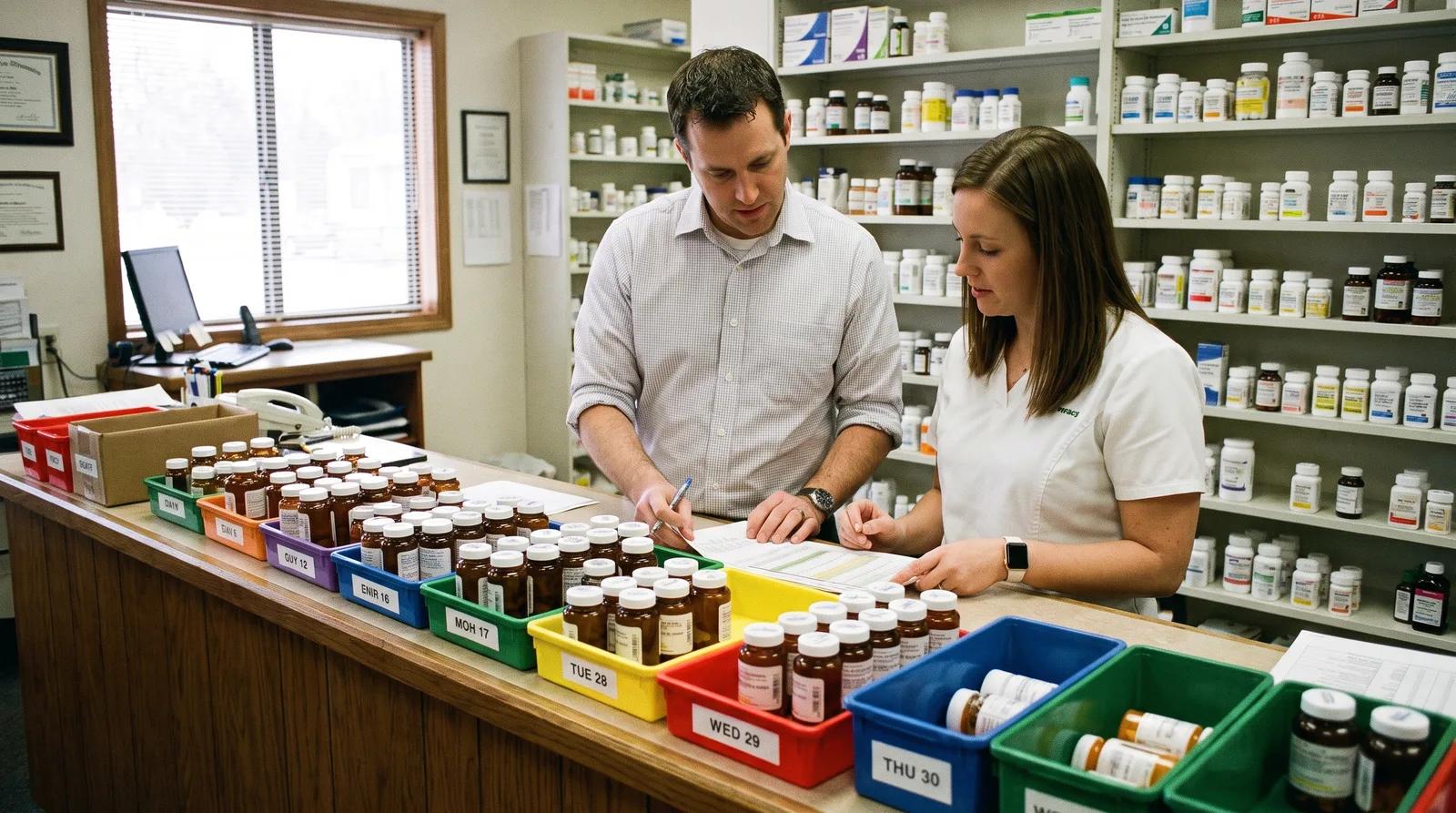
Medication synchronization pharmacy programs improve adherence and revenue by aligning refills to one monthly visit, backed by NCPA-documented results.
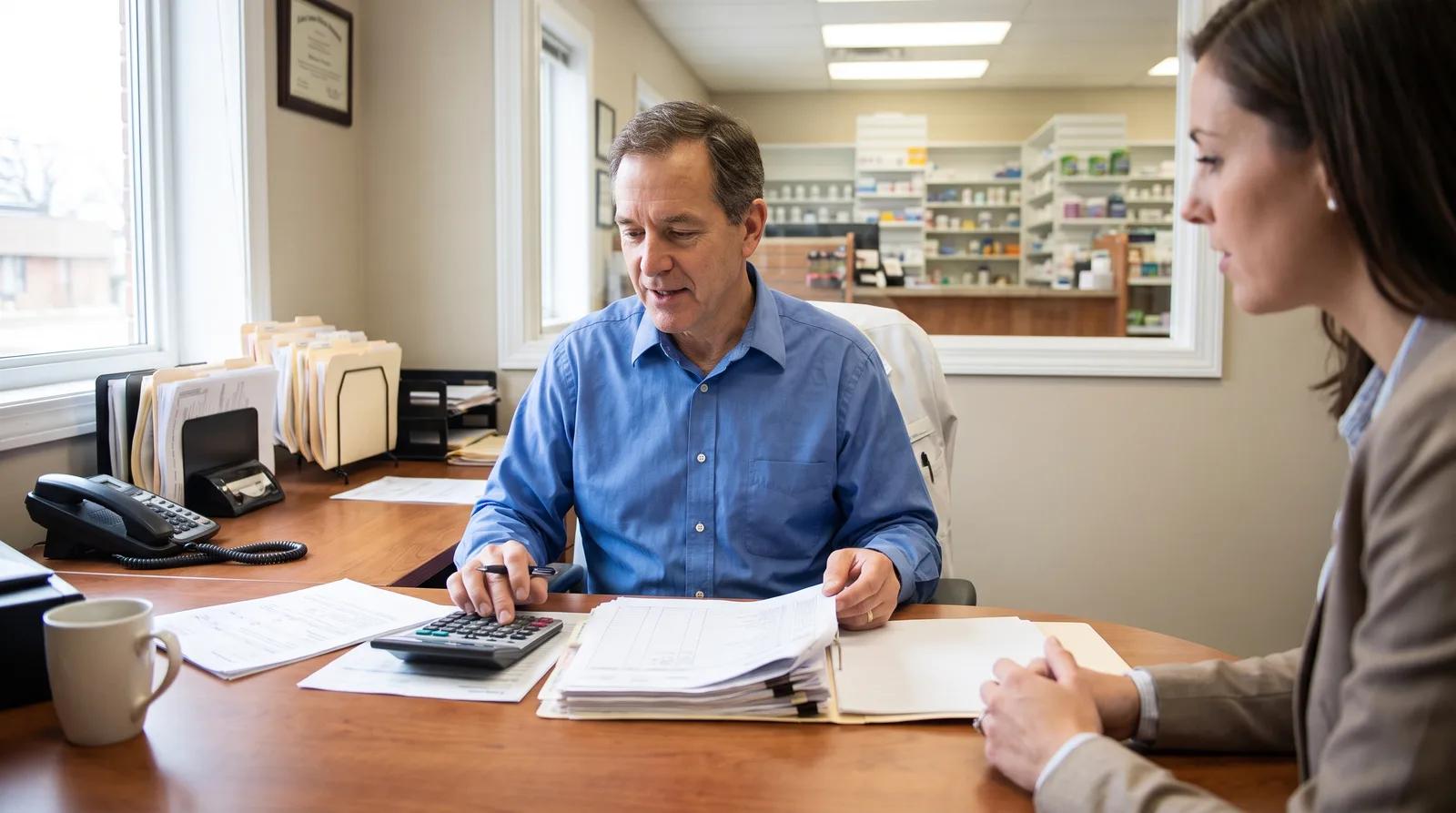
Cash pay pharmacy models are growing fast as generics trend toward penny-drug pricing. Here is how independent pharmacies can build one profitably.
WSPC gives you the buying power, the contracts, and the people to protect it.